The equality you can see, the inequality that remains
A collection with Amref Health Africa for women’s rights
In many of the countries where we work, being a woman means facing daily obstacles. This campaign shares data, stories, and projects that turn work into independence and opportunity. Because cultivating the future is already an act of change.
Support Treedom and Amref Health Africa in their projects in Africa
For every tree planted, 15% of the proceeds will be donated to Amref Italia.
A woman leading a country where women are still far from equality
In Tanzania, women’s living conditions reveal one of the most striking contradictions in sub-Saharan Africa: strong institutional recognition of gender equality coexisting with deep inequalities in women’s everyday lives.
Political representation: the contradiction of top-down change
Tanzania is one of the few African countries to have introduced reserved seats for women in Parliament (their presence must account for at least 30% of the assembly) and is currently led by a woman: Samia Suluhu Hassan. She took office because she was the vice president of elected President John Magufuli, who died on 17 March 2021. This makes Tanzania a distinctive case in the regional landscape, but it should be made clear that this is the result of laws that apply only at the very top of the country, not the outcome of a bottom-up shift. Female representation in institutions does not automatically translate into greater economic or social power, especially at the local level. Formal equality exists, but structural change remains incomplete. It is worth noting, however, that one of Hassan’s first measures was to repeal the law that prevented pregnant girls from returning to school.
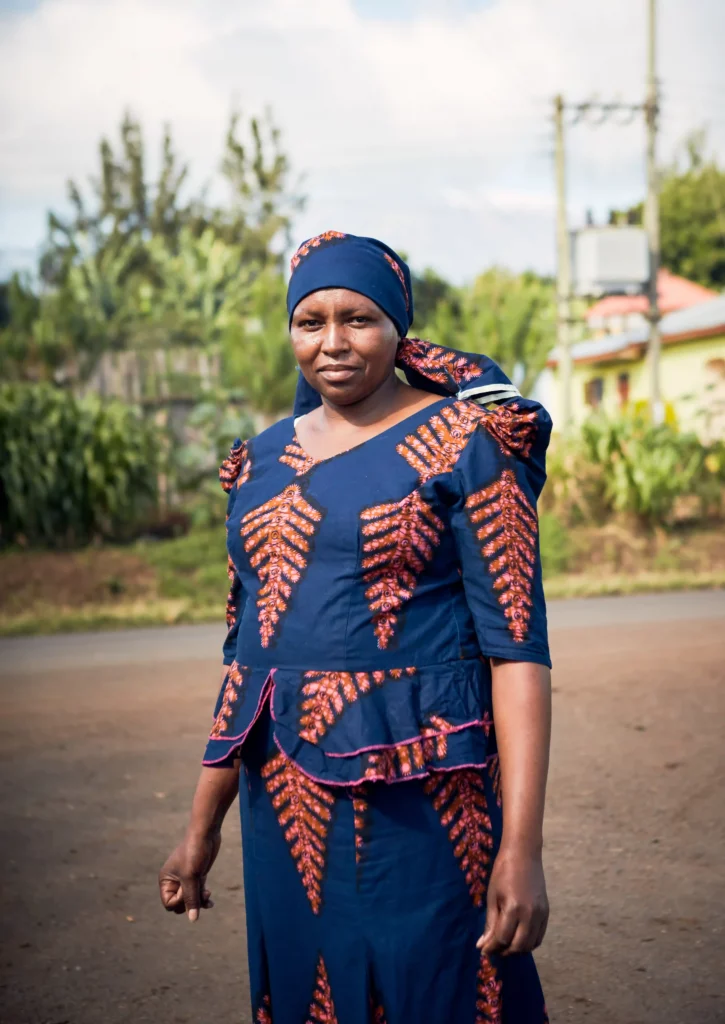
Women in Tanzania participate massively in the workforce, especially in agriculture and the informal sector. Their contribution is essential to food security and household economies, but it often comes without protections, with low incomes and limited access to land ownership (formally they can own land, but widespread customary practices mean that only 9% of privately held land is owned by women), as well as limited access to credit and productive resources. This is a dynamic common to many African countries, but in Tanzania it stands out precisely because of the contrast with institutional progress.
Education: near-parity in access, fragile pathways
Access to primary school is now close to gender parity, a result shared by several countries in the region. The gap emerges, however, in secondary school, where completion rates remain low and girls are still disadvantaged by poverty, domestic workloads, early marriage, and teenage pregnancy. Equal access at the start still doesn’t guarantee equal opportunities in the long run.
Rights, health, and safety: the hardest knot to untie
Gender-based violence remains widespread and is one of the main barriers to women’s autonomy. Early marriage and adolescent pregnancy continue to affect education, health, and economic independence. Here too, Tanzania reflects a condition common across the African context: the gap between rights that are recognized and rights that are actually lived.
Treedom’s role: strengthening autonomy from the ground up
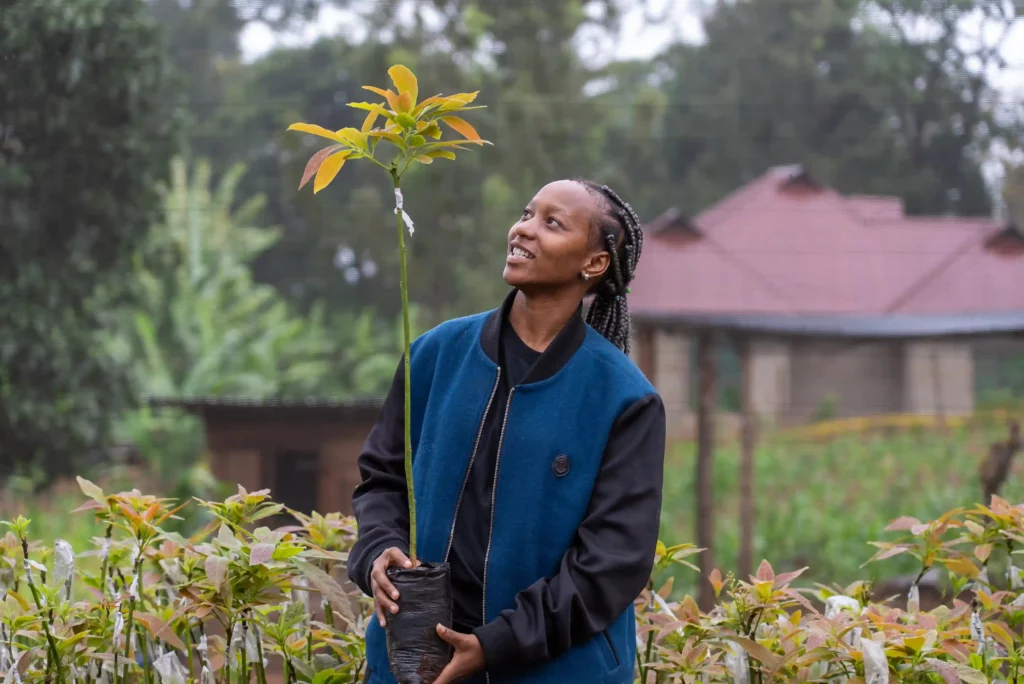
In a context like Tanzania’s, Treedom’s work has a tangible impact because it acts where inequality is most deeply rooted: in rural areas and access to resources, in economic independence, and in social recognition. Through agroforestry projects that directly involve local communities, Treedom helps strengthen women’s role as producers, stewards of the land, and drivers of development—assigning as many leadership roles as possible to them. Because alongside institutional policies, change must also come through real, sustainable, shared economic opportunities.